

Martin Goodson
Suffering Injustice
Bodhidharma's Two Entrances
Bodhidharma talks about facing injustice, not by explaining what to do about it, but instead how to respond to it. A crucial entry point for walking the Way.
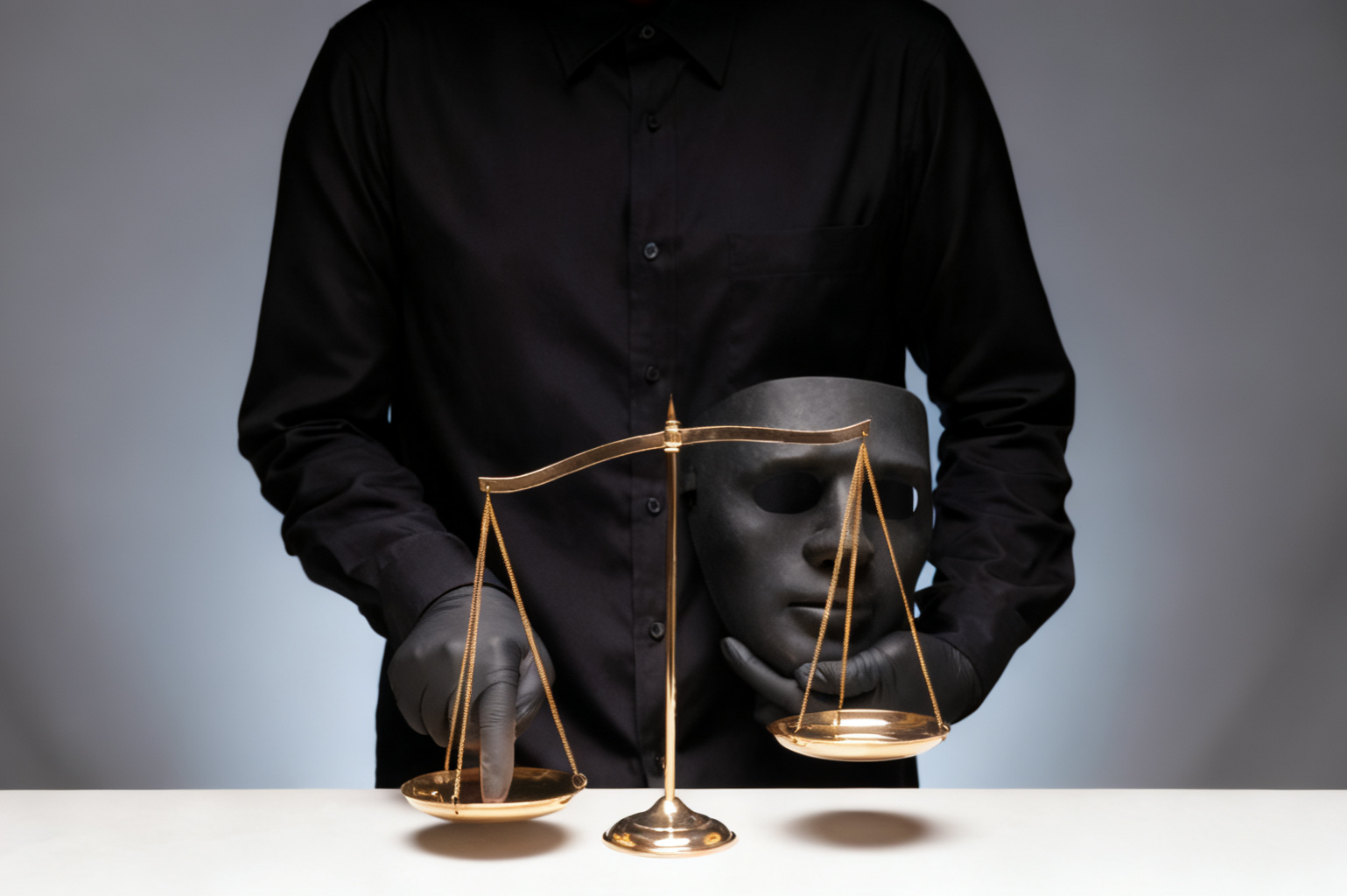 ©
© shutterstock
There are a collection of manuscripts found in the Dunhuang caves in China which are attributed to the founder of the Zen School, Bodhidharma. In them he explains how we should establish a spiritual practice:
"To enter by practice refers to four all-inclusive practices: suffering injustice, adapting to conditions, seeking nothing, and practicing the Dharma.
First, suffering injustice. When those who search for the Path encounter adversity, they should think to themselves, “In countless ages gone by, I’ve turned from the essential to the trivial and wandered through all manner of existence, often angry without cause and guilty of numberless transgressions. Now, though I do no wrong, I’m punished by my past. Neither gods nor men can forsee when an evil deed will bear its fruit. I accept it with an open heart and without complaint of injustice. The sutras say, “When you meet with adversity don’t be upset, because it makes sense.” With such understanding you’re in harmony with reason. And by suffering injustice you enter the Path."
So now Bodhidharma spells out for us the four practices to enter upon the Way, this first one, suffering injustice, may already be enough to give rise to serious doubts as to whether ‘I’ wish to continue along this path!
Having read something of the teachings and perhaps come across the more profound teachings such as ‘No-I’ or its development – ‘radical emptiness’ - we can get quite carried away with abstract thoughts about meaning and realisation without ever realising just what this might mean in practice.
Yet in the absence of ‘I’ and ‘other’, which the Buddha did teach, there is no possibility of claiming that this or that is somehow “not my fault”. If all things are truly inter-connected then somehow our actions and their effects are also interconnected. This is the thrust of the Buddhist teaching of karma.
Buddhism is a child of Hinduism and took many of its ideas from the parent but made them uniquely Buddhist. One such teaching was this teaching of karma. Originally, karma meant ‘ritual actions’ performed by priests to ensure that people would be sent onto a good future incarnation. The Buddha took this teaching and said that karma was not just ritual action performed by priests but was our own intentional actions which determined our future incarnations. This view means that our actions themselves have an ethical outcome and makes us responsible for those outcomes.
Whether or not we believe in a literal interpretation of karma, such as that put forward by Bodhidharma, it does suggest a particular way of seeing that moves away from ‘I – only’ into a more interconnected way of seeing what we do and how we act. In addition it prevents me from separating myself out from my fellow humans.
When Mother Theresa was on her way to Stockholm to receive her Nobel Prize she stopped off in London. During her visit she went to Blackfriars bridge where many of London’s homeless stay. Of course there were camera crews and reporters all around her and one asked her “So, who is responsible for the homeless here?” She turned and looked to the reporter and said “You are, and so am I because we let it happen.”
It was clear from her answer that she too felt that interconnectedness of things. That it is impossible to extricate oneself from that responsibility. Perhaps I do not feel that I am responsible for the actions of others who died a long time ago but the teaching of karma makes us responsible. If we have a literal belief in karma then we feel it. I look at someone who is suffering now and have to consider that “Here is someone who is suffering now. I too, have suffered in the same way in past lives and will also suffer in future ones. How would I wish to be treated in this situation?” Here begins the stirrings of compassion, the ability to empathise, to place myself in the shoes of another. Can we begin to see why Bodhidharma asks us to accept the injustices that come my way?
It is not that we must be doormats for injustice or even that we do nothing for justice. Rather it is to see that I have myself made injustice possible and cannot separate myself out from the one who meets out injustice. So the homeless man, Mother Theresa, the reporter, me and you we are all responsible together. Can we feel how this view, a view much in accord with the teaching of ‘No-I’ changes how we see the suffering of this world?


