2025: A Year in View
Our annual look back at what has been happening on The Zen Gateway in 2025
Our annual look back at what has been happening on The Zen Gateway in 2025.
Welcome to our review of 2025 on The Zen Gateway. Our mission has always been to provide quality Dharma for those whose hearts incline to the Buddha’s Way and we have continued with that mission over the past 12 months.
In a year marked by growing polarisation, we have sought to walk the middle path, holding that the Buddha’s medicine lies in attending to the cravings and attachments within our own hearts. Through this attention, a quiet wisdom and warmth of heart emerge, grounded in a lived recognition of the interconnectedness of all things.
So, before we walk forwards let’s take some time to look back to what was on offer in 2025.
JANUARY
We began the year with a reminder of the fleeting nature of this world in a poem curated by Michael Haggiag, co-founder of The Zen Gateway.

Hanshan’s Poem, with commentary by Michael Haggiag
FEBRUARY
Zen Buddhism’s emphasis on ‘sudden enlightenment’ is a very attractive proposition for spiritual practice, but as we become more seriously involved in the training, we will soon discover that ‘sudden enlightenment’ can take quite a long time to happen.
Quality not Quantity, by Michael O’Neill
MARCH
Zen Master Rinzai said:
“As I see it, there is nothing complicated. Just be your ordinary selves in an ordinary life.”
This month, Troubleshooting Zen Study and Practice returns, with an episode on how to begin the training which, however, is not just for beginners. The nice thing about Zen practice is that it’s simple. There are only a few things we’re asked to do and the instructions are fairly straightforward. The catch is that we must commit to it for six days a week and integrate it into our life, in order for the boundary which separates the two to begin to melt away. Then there becomes no difference between ordinary life and Zen.
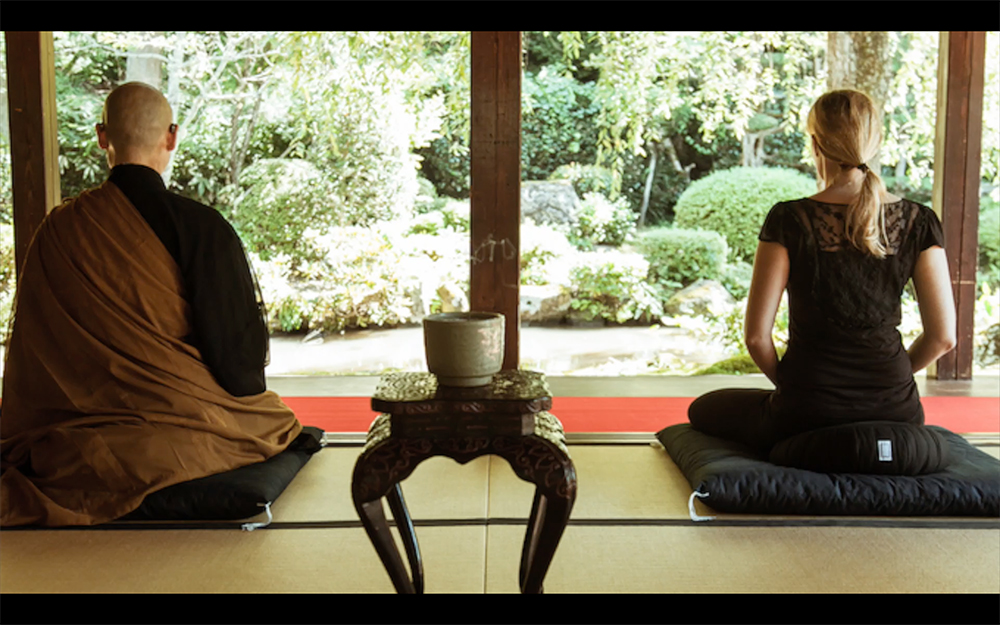
56) How do I Practice Zen? - A talk by Martin Goodson
APRIL
“You can either be good or you can be whole. You cannot be both!”
During my own Zen training with Master Daiyu, I recall her making this statement to a group of us students sitting around a dining table. The term ‘whole’, which she was using, was coined by the Swiss psychologist C.G. Jung to refer to a process of integration of psychological elements which, in modern man, have become estranged from the light of conscious awareness. These elements fall into a shadowy realm where they continue to influence our waking decisions unbeknown to ourselves. As such, we operate out of their ignorance, resulting in the thwarting of many of our best intentions. Hence, humanity finds itself on dangerous paths. As Jung himself remarked, our survival hangs by a thread (he was talking about the immanent danger of nuclear armageddon), and this thread is the human psyche. His message was that this integration work is vital for the survival of our species.
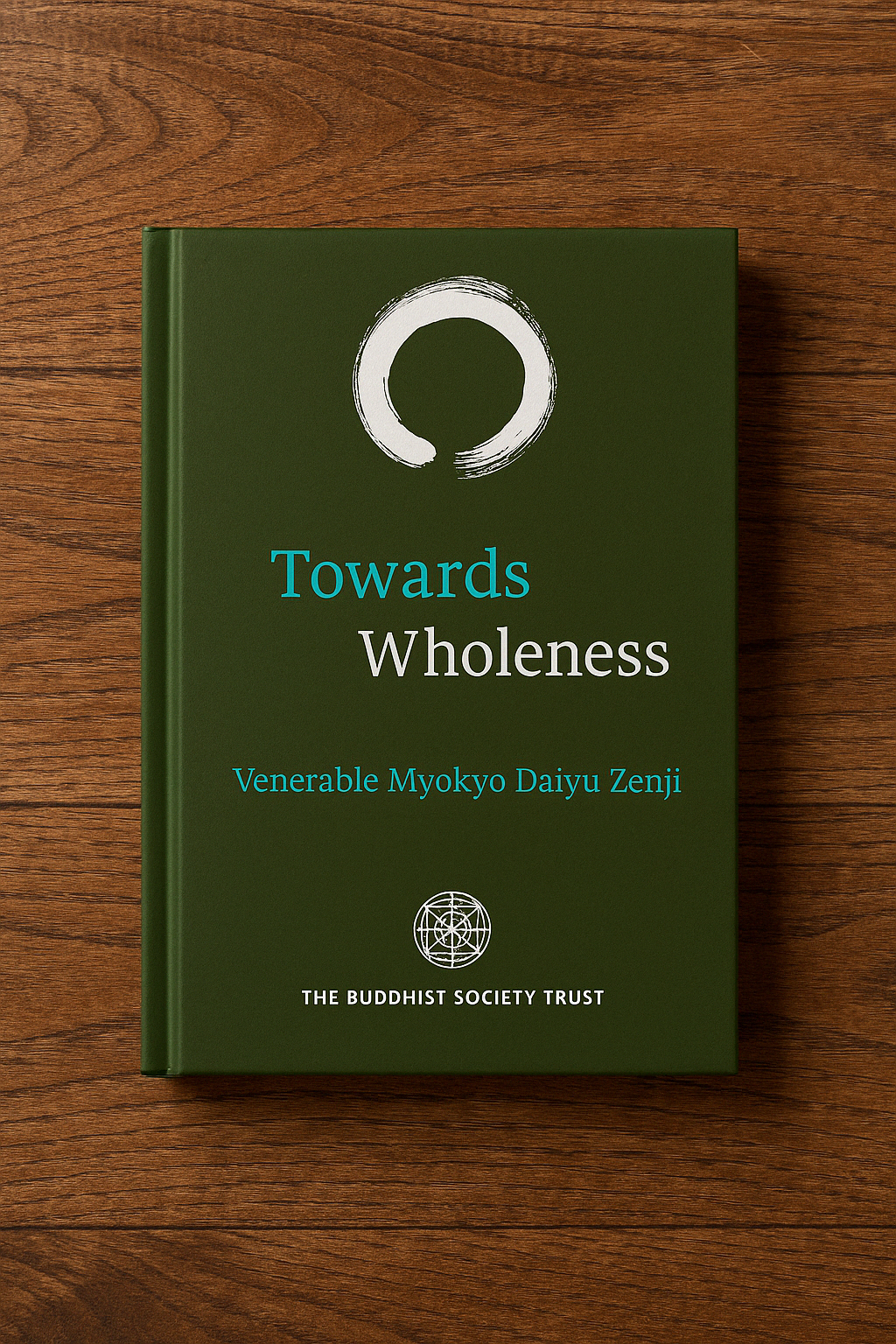
Towards Wholeness by Venerable Daiyu Myokyo Zenji - Book Review
MAY
Ven. Myokoni trained in the notoriously harsh conditions of the Daitoku-ji monastic complex under a notoriously harsh Zen master. Thus she learnt what Bodhidharma meant by ‘the old masters broke their bones’ and she often stressed how fundamental this was to the Zen path.
Fortunately, we don’t have to take this phrase literally, nor do we have to train under harsh monastics conditions as we will have plenty to work with in our regular lives. We could instead rephrase this as breaking our hearts. Why? Because this training will inevitably come into direct confrontation with ‘my’ wants, ‘my’ desires and ‘my’ needs. This can make the practice feel very painful at times and can sometimes cause us to hit a wall. This week we have included some articles to encourage our readers to keep going despite how painful the training might become and even when it feels like breaking bones.
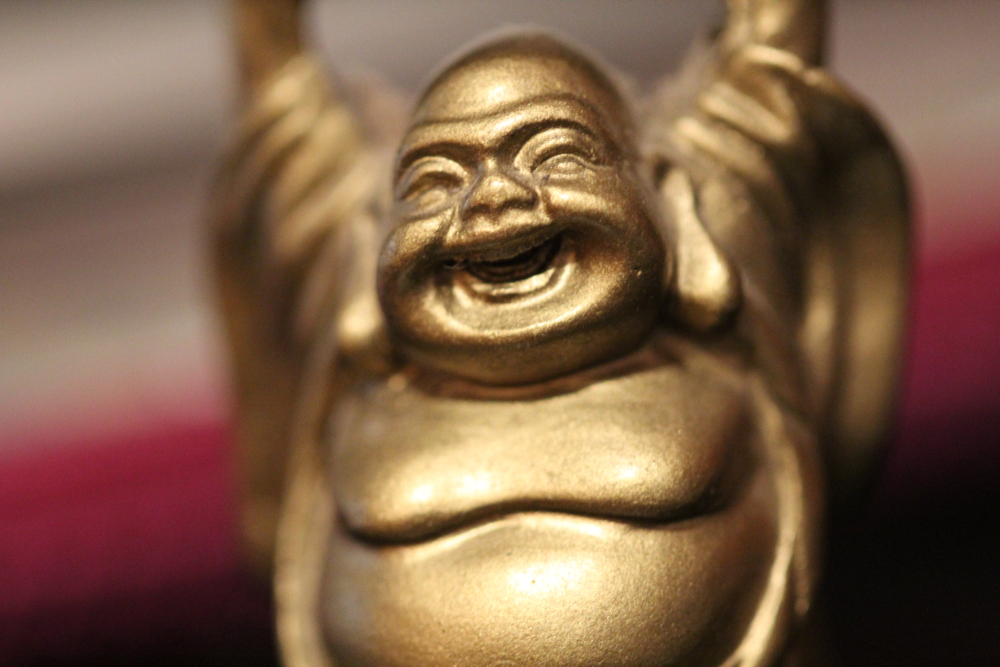
Enthusiastic Awareness by Katharine Haggiag
JUNE
Transcending Mindfulness returns, a podcast in which psychotherapist Jamie Shavdia and Zen Buddhist teacher Martin Goodson discuss a range of topics, from the perspective of clinical psychology, spiritual practice and the spaces inbetween, this week looking at trauma and the surprising effects it can have on the body as well as the mind.
The pair discuss fascinating new therapies which can significantly reduce the symptoms of trauma, as well as some unconventional remedies that are starting to gain more credibility. They also discuss how trauma can be problematic in relation to meditation and also look into the nature of all dissociative states produced by the effects of trauma and the direct relationship this has to the delusion of ‘I’.
Transcending Mindfulness 7: Trauma and Healing
JULY
The Records of the Transmission of the Lamp is considered to be one of the most important texts within the Zen tradition, but it is not very well known in the west. Being a ‘root’ text, it spans the whole of the Zen lineage, from the Chinese Chan masters, to the preceding Indian Patriarchs, to Sakyamuni Buddha himself and even reaching as far back as the Buddhas from the previous ages. It also contains the first known examples of the classic dialogues between Zen masters and their students, many of which would become koans.
Despite being a fundamental text within the Zen tradition, this thirty volume work has never been fully available in the English language and it is therefore somewhat obscure within the English speaking Zen traditions. However, Randolph Whitfield, a linguistic expert and former student of Master Daiyu, has devoted 10 years of his life to making these volumes available in English. This week, Randolph joins Zen teacher Martin Goodson to discuss the text’s history, it’s implications for the practice and the deeper mysteries of Zen hidden within.
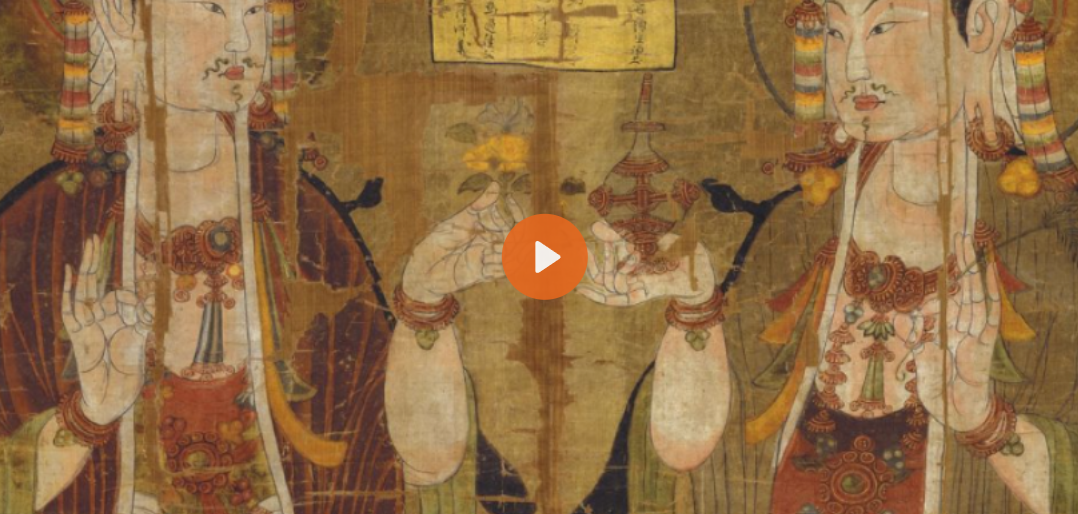
An Interview with Randolph Whitfield: Translating the Core Texts from the Zen Canon.
AUGUST
The Buddha taught that if we are able to come to terms with our eventual death our mind will know peace. Death, however, has become somewhat of a taboo subject in western societies; we don’t talk about people dying, instead they ‘pass away’ or are ‘no longer with us’. In the not-too-distant past, however, people lived more closely with death. Even as early as the mid nineteenth century, it was customary for European families to keep the body of the deceased inside the family home, sometimes for up to ten days. Death was a reality you would eventually have to face.
Yet, even in the distant past when death was ever present, the Buddha still had to remind people that they were eventually going to die. In this week’s featured article, Jenny Hall explains how daily life practice gives us the opportunity to become intimately familiar with death and how this brings with it a peaceful mind.

Verses from the Dhammapada 6 by Jenny Hall
SEPTEMBER
Who were you in your last incarnation? While the Buddha taught that the doctrine of rebirth is a literal thing that happens to consciousness after the body dies, there is another kind of rebirth happening from moment to moment. If we can get to know how this latter kind of rebirth plays out in our life, we will have a fantastic tool for gaining insight into our mental conditions and will be much more able to let go of those powerful desires which cause us to suffer.
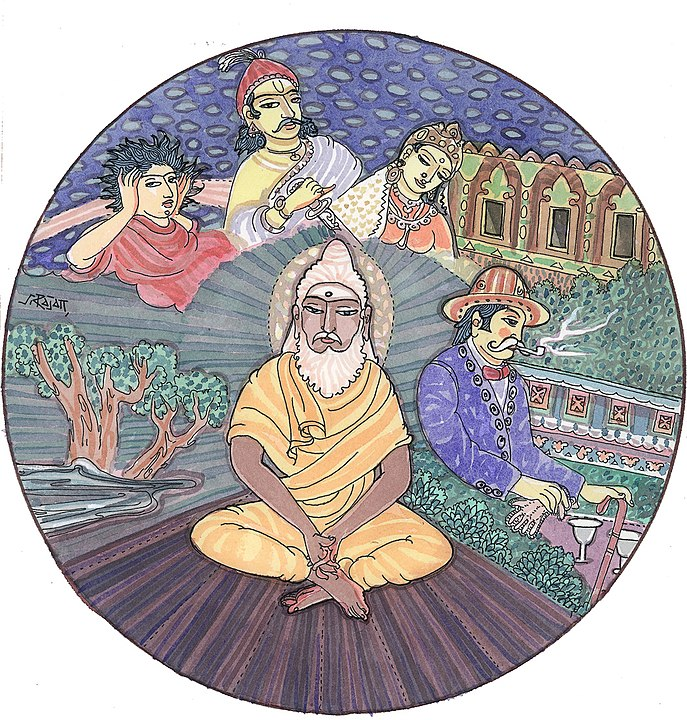
Karma - A Way of Looking at a Tricky Doctrine by Martin Goodson
OCTOBER
The idea that reality is underpinned by a universal consciousness is becoming a more mainstream idea in science, philosophy and spirituality. As science has largely left the problem of consciousness unexplored, researchers in this topic have been increasingly looking towards Eastern philosophies for guidance. In particular, the Hindu Upanishads have become very influential. They state that consciousness is the fundamental nature of reality and that it is unchanging, unborn and deathless.
In Buddhism too, there is also something that is unchanging, unborn and deathless but, unlike in the Upanishads, consciousness is not defined in this way. Instead, it is something that is conditioned, subject to change and impermanent. This distinction is not an arbitrary one, it points directly to the insight of the Buddha and the way to that insight. In this week’s article, we cover some of the more esoteric Buddhist teachings on the nature of consciousness.
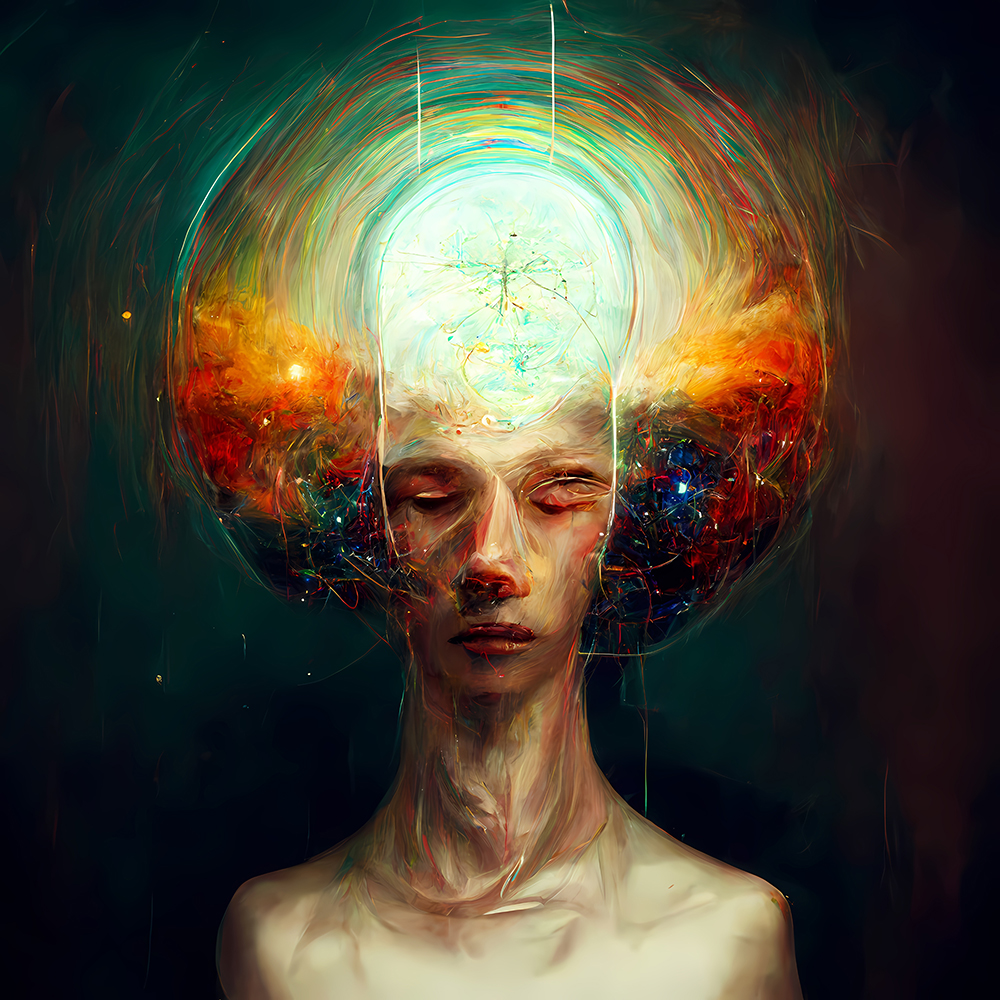
Scheme of the Eightfold-Consciousness - Teachings from the Yogacara School
NOVEMBER
Through the Daily life practice, we can develop the same insight as that of the Buddha and free ourselves from suffering, but in the Mahayana teachings the Buddha very clearly states that we are already endowed with this wisdom and insight. The reason we can’t see it, he says, is because of our sticky attachments. While that might be a fine answer for some, most of us will need a little bit more to go on. Thankfully, there is a longer answer for us to dig into, involving the role of karma, what causes that karma to appear and how this gives rise to different psychological and physical states of being.
This is represented in detail in The Wheel of Life, an illustrated representation of the realm of desire (the world of which humans are a part). It shows all the ways in which we are entrapped by this realm and the ways in which those traps are linked to each other. It is a profound map showing how we get caught in an eternal cycle of suffering, desire, death and rebirth. Crucially, though, it also provides many keys for escape. This week we look at how we are continually led around by karmic forces and how, through the skillful use of restraint, we can become free from attachment and exit samsara.
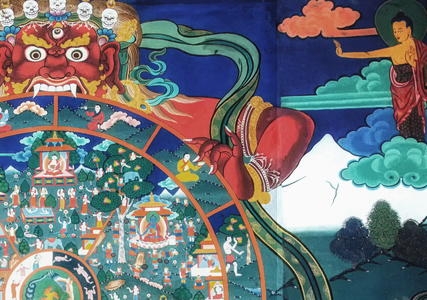
Skilful Restraint by Dr Alan Sidi
DECEMBER
Through the awakening of the heart comes the revelation of reality’s true nature. In the Hindu Upanishads this true reality is consciousness, an unborn, eternal and deathless one. In the Buddhist doctrine however, this is not the case. While the Yogacara school of Buddhism does claim that everything we experience is a projection of consciousness, this is still not the true nature of reality, rather, consciousness is still impermanent, subject to change and even contributes to the illusion of self.
Yet, in Buddhism, the true nature of reality is also said to be unborn, eternal and deathless, so what were the old masters pointing to? As December marked the period of Rohatsu (the anniversary of the Buddha’s enlightenment), Martin gave a talk on what this unborn reality is, as well as what we need to do to experience it for ourselves.

Reflections for Rohatsu Week
Thus, we end our year in view for 2025 with the commemoration of the founding event of our faith, the Buddha’s Enlightenment.
In a story from the Pali Canon, the Buddha was one day teaching his disciples in a forest. He grasped a handful of fallen leaves and asked his monks if the leaves in his hands are few or many compared to all the leaves on the trees in the forest. Naturally, his monks replied that in comparison those in his hand were few. The Buddha concluded his sermon saying that just so the teachings he gave to them, compared to what he had seen were few. However, those few things were essential to walking the path to the same insight.
As we move into a new year, not knowing what we will see in the coming months, we are equipped with those ‘few things’; these will be our supports and companions - well tried and tested over millennia. Let us place our faith in them and see just how they can truly carry us as we embark into the unknown.
From all the team and the trustees here at The Zen Gateway to you our subscribers, supporters, donors and sponsors we wish you a peaceful, insightful and fulfilling year ahead.