
Nothing Gold can Stay
An Ode to Impermanence
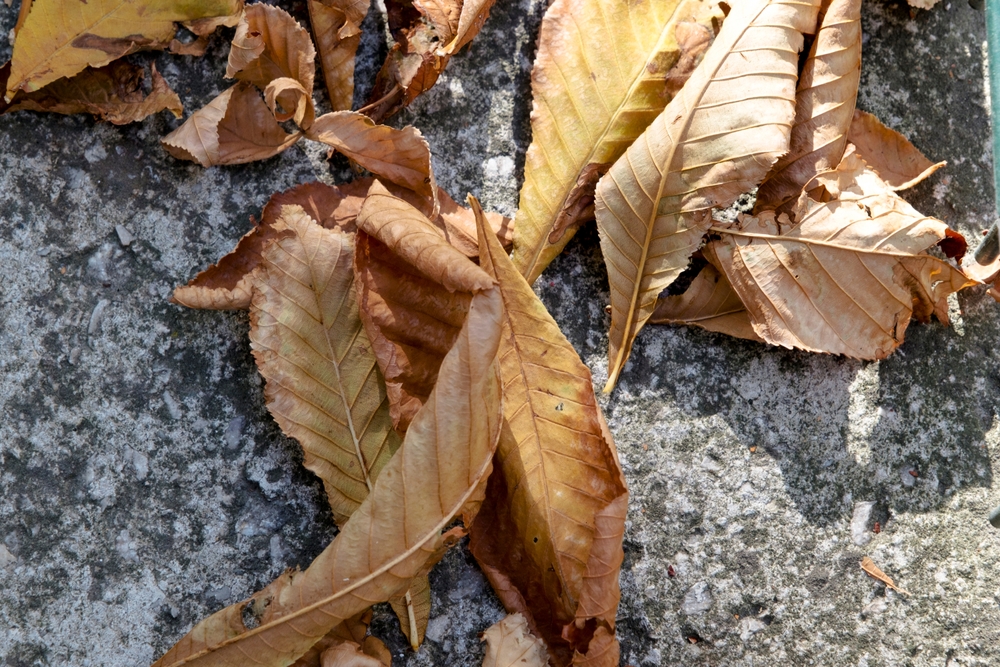
'Nothing Gold Can Stay' was published in Robert Frost's 1924 Pulitzer prizewinning collection New Hampshire. It is an ode to impermanence, the fleeting nature of youth and beauty, and the poignancy of passing time itself. Doctrinally in Buddhism we speak of the Three Signs of Being: Suffering, Impermanence and No-I. Although this poem points specifically to impermanence, all three signs of being are clearly referenced here.
 © shutterstock
Nature’s first green is gold
Her hardest hue to hold
Her early leaf’s a flower;
But only so an hour.
Then leaf subsides to leaf.
So Eden sank to grief,
So dawn goes down to day.
Nothing gold can stay.
Robert Frost (1874 –1963) is one of America’s most celebrated poets, known for his moving descriptions of nature and rural life and his modern conversational tone. He recited by heart the poem, The Gift Outright, at John F. Kennedy’s inauguration when the glare of the sun prevented him from reading Dedication, the poem he had written for the occasion.


